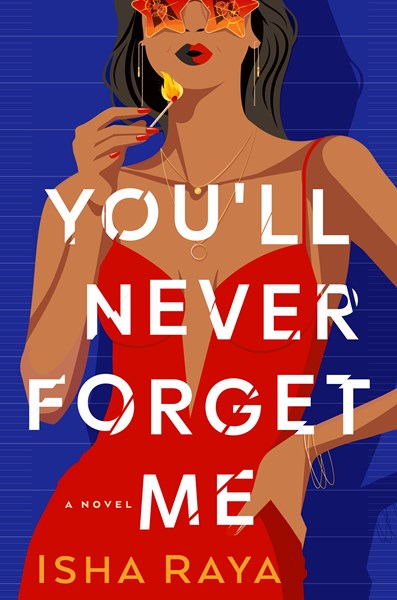
The title is a hint to a major plot element in this somewhat tangled, dangerous, multi-crime story with an intrepid reporter at the center. Rita Locke, crime reporter for a major Pittsburgh paper, is awakened early on a Sunday, her day off, by one of her police sources alerting her to a grisly murder in a funeral home. It’s the last straw for her boyfriend, and as she leaves for the crime scene, he ends their relationship. The body was found by a local beautician, and she is mighty nervous when interviewed by Rita. There are dead witnesses, anonymous clues, stolen jewelry, fake medical practitioners, and medical schools, nearly deadly foreign travel, returning boyfriends, and of course, the empty coffins referred to in the title. Yes, the story is crowded, but it is refreshing to have a reporter at the head rather than a cop or a PI, and readers will not be able to put this down towards the end. Here’s hoping for more about Rita Locke.
Thrillers
Charlie Chaplin and Albert Einstein met in real life. Here that short interaction is included—the author has done his research, big time—but as part of a fictional steadfast friendship between the two that’s filled with loving banter and crime solving. The series debuts in 1937 as the scientist and actor are older, well-known figures. Chaplin is considering a movie that will lampoon Hitler (his real film The Great Dictator) and Einstein is teaching at Caltech and following with dread and guilt the development of a devastating weapon, the atom bomb, enabled by his work. When Nazis visit LA as part of a propaganda effort and all signs point to looming danger, the friends team up with Georgia Ann Robinson, the first Black female detective in LAPD history (also a real person), to thwart the plans. Antisemitism and racism are given lurid front seats here, with both shown as grotesque blights on our world. Readers will readily see parallels with white-nationalism today, making this a timely and ire-provoking read. They will also learn a great deal about Chaplin (less about Einstein, though he’s still well fleshed out), with his ladies-man ways on full display along with his kindness and sharp wit. This series promises to mix fun capers with serious societal commentary and is one to watch out for.
Bryden seems to have the perfect family. She has a loving husband, Sam, and an adorable three-year-old daughter named Clara. One night when he’s working late, Sam gets a call from Clara’s daycare. Bryden has not picked up their daughter and is not answering her phone or responding to texts. Sam picks Clara up and arrives home to find Bryden’s cell phone and purse in the apartment and her car parked in the garage. Where did she go, and what happened to her? Detective Jayne Salter of the Albany Police Department gets the case. From the moment she starts investigating, she finds Bryden’s family, friends, and neighbors all seem to be hiding something. But does that make one of them guilty? Lapena keeps the suspense and mystery going to the final page. Readers, at one point, will think everyone is responsible for Bryden’s disappearance, but the truth is shocking and surprising. Jayne will uncover more murder and chaos than she’s bargaining for, and Lapena could have a series character on her hands with this charismatic detective.
Hang on to your hat! This latest from Andrea Mara is one twisty terror ride that will have readers glued to the page. The premise starts out simple enough. Susan O’Donnell, a high-school math teacher, is a new mother, her daughter Bella having been born four months ago. Safe to say Susan is exhausted, sleep deprived, and anxious. So when she reads a snide WhatsApp message from the local neighborhood queen, clearly directed at Susan, she sends it on to her two sisters with her own remarks: “omg she’s such a smug wagon. I’d love to send her the pics of her husband wrapped around the PR girl at the opening party for Bar Four…” Bitchy? Totally. Funny? Yes, indeed. Except that Susan makes a dreadful mistake: she sends her post to not just her sisters, but to the 300 residents of her housing estate. Time to grovel and beg for forgiveness. Except things don’t work out quite that way. Instead, this one incident sets in motion a series of lies, violence, and murder that no one can stop. A knock-out.
Los Angeles Detective Eve Ronin uses an unorthodox method to stop a robbery while off duty, putting her in the boss’s crosshairs in Goldberg’s (Dream Town, Calico, Malibu Burning, Ashes Never Lie) latest. Eve is torn between her celebrity status from having a TV show based on her “life” and the higher-ups who want her to leave. Even a suspension is temporary when videos of Eve stopping the robbery go viral and a dead body is discovered in a metal drum. Her life and the case escalate when one of the suspects has a vendetta against her. Add corruption inside her own department and a helicopter crash that hits literally too close to home, and she barely has time to breathe. Eve must balance her pursuit of justice and be on her best behavior since one false move could mean the end of her career, even if she’s the most famous detective in Los Angeles. Readers will love Goldberg’s dive into Eve’s world and the quirky aspects of Los Angeles life as well as the continuing story (Goldberg even throws in an extensive cameo featuring featuring his other series characters). Whether Fallen Star is your first time reading Eve or your sixth doesn’t matter. In either case, Goldberg has done it again with a compelling and complex mystery.
Berry delivers a novel unlike anything he’s ever done before. Rather than exploring history, this one takes pieces of John Grisham’s The Firm and mixes them with the business aspects of a Joseph Finder novel and storytelling elements from David Baldacci. Brent Walker left his hometown and the woman he loved ten years ago, and now he’s come back to help his sick mom. He takes a job at the small-town paper mill in a legal role beneath his level of expertise to oversee their negotiations with the local union. The company’s management is not trustworthy, and more than doctoring the financials, they have created a list, and the purpose of the names on it is beyond reprehensible. Brent and his lifelong friend and co-worker, Hank, are given a series of what appear to be random numbers, but research reveals to them the horrendous nature of what the numbers mean. They are not random at all, but to say anything more would spoil the fun. Someone given the pages without knowing the author’s identity would never identify Berry as this book’s writer, and his going outside his comfort zone to resurrect one of his early, desk-drawer novels is beneficial to him, his fans, and thriller readers alike. The List would be a perfect story to be turned into an Alfred Hitchcock film, and this should only add to Berry’s fanbase.
A powerful, sophisticated novel of suspense that follows the life—and losses—of Chloe Harlow. A denizen of New York’s latest up-and-coming trendy enclave, Williamsburg, Chloe lives a boho-ish lifestyle while working in an art gallery. Having dropped out of several endeavors—such as college—Chloe finds herself fascinated by gallery work, despite the punitive salary and relentless snobbery. Then September 11, 2001 comes along. Chloe was delivering a drawing to the North Tower right when it was hit. Miraculously, she escapes, although she’s much changed: drinking to excess, always late for work, anxious. Until the night when she parties so hard, celebrating a new artist the gallery signed on, that the next day she can’t remember a thing. Then the NYPD stops by to interrogate her. From there, Chloe’s life begins to spin out of control: her best friend is missing, their apartment is broken into, her boss is fired and disappears, the cops won’t let up, she’s pursued by several thugs. Then she comes across information that, if all the pieces fall into the right place, could totally scandalize the art world. A fast narrative, this novel is as emotionally moving as it is incredibly suspenseful, and with one of the most sensitive depictions of New York during and after 9/11 I’ve ever read. For fans of Katy Hays and Elizabeth Kaufman.
Between 1830 and 1850, the U.S. government’s forced displacement known as the Trail of Tears removed thousands of Native Americans from their ancestral lands in the Southeastern United States. But according to Native folklore, some Indigenous people evaded the Removal, sheltered by supernatural Little People. Faust’s atmospheric debut focuses on a family descended from those survivors and the generational trauma they have endured. When six-year-old Laurel Taylor vanishes from her Wisconsin home early one morning in 1996, her devastated mother, Ayita, believes her abusive ex-husband Barron kidnapped their daughter, even though Barron had abandoned the family before Ayita realized she was pregnant. But as weeks pass by and Laurel remains missing, Nadine, her older sister, begins experiencing nightmares and hearing whispers, especially in the tree house where Laurel always played. Have the Little People taken Lauren or are other family ghosts responsible? To find answers, Nadine travels with her Aunt Rosebud to South Carolina, where her fractured family has deep roots. Faust, an enrolled member of the Edisto Natchez-Kusso Tribe of South Carolina, draws on his family history and Indigenous mythology to weave a haunting tale of loss and redemption that may remind some readers of Keith Donohue’s The Stolen Child with a touch of Poltergeist.
Bitterfrost, Michigan, is a town that revolves around hockey—a rich local family, the Paynes, owns the adored IceKings team and the rink they play at—and nights frittered away at the Lost Loon, a dismal watering hole. Jimmy Baker works at the rink driving the Zamboni, which keeps him in the sport he loves even after his minor league career stalled. Jimmy was the guy the manager could rely on to take out members of the opposition, but it went too far and now he drives Zelda, enjoying small-town celebrity and missing the daughter his ex keeps from him. Then he wakes up sore all over and with a bloody face, black eyes, and drag marks in the snow outside his house. With no idea what happened—didn’t he have only one drink at the Loon?—he tells others he slipped on his porch, knowing it’s likely a lie and that his history means it was much worse. When a body is found in a burned car outside town, he fears the worst and is soon sitting in court. Defending him is Devyn Payne, daughter of the rink owner, who has a past of her own—a notorious court case that the town can’t forgive her work on. The defendant and attorney find themselves in the crosshairs of both town gossip and further violence, with all ending in an engrossing courtroom scene. This is the first in a series, thankfully, as readers will want to visit this chilly-in-every-way community again.
Gwen Underfoot is a senior in high school, and her closest friends are all in college, including twins Donna and Donavan; Allie; Colin; and the young man Gwen has feelings for, Arthur, who works at the college library. An act of kindness ends up with him being blackmailed to ensure his mom stays alive: forced to steal first-edition books from the collection, Arthur wants a way out before he gets caught. The others devise a solution involving an ancient ritual and a journal bound by human skin that conjures up the dragon King Sorrow. The beast promises to help Arthur with his problem, but he and the others are now bound to the dragon, who will demand a sacrifice from each of them every year for the rest of their lives. Hill has crafted a brilliant story with well-rounded characters readers will love and hate, a terrifying spin on everyone’s worst fears, and a tale of six people bound together by a bad decision as they journey through life with that weight on their shoulders. There is even a blink-and-you-miss-it spin on the Greg Stillson campaign from Hill’s father, Stephen King’s, classic The Dead Zone. Don’t let the size of this book sway you from reading it. Joe Hill has another classic on his hands.