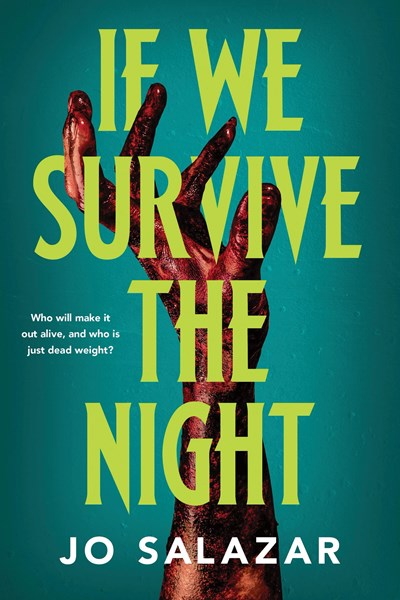
Being at a residential treatment center for girls is just another stop on Quinn’s journey through juvie and foster homes, but it’s not too bad—if she can keep it all together a bit longer, she’ll be released, get a place, go to college, do all the things normal kids do. But Quinn is not normal, and nor are any of the other residents. She notices Keisha, who always sneaks her meds into her pocket, and the two become fast friends. One night, they sneak onto the roof and discover that the world around them has gone bad—carriers, zombie-like humans, are roaming the streets, biting and killing people. The problem is, the dead reanimate when there are loud sounds. A little bit A Quiet Place, a lot twisted “final girl”, the story takes off as a small contingent of staff and girls decide to leave the treatment center. Quinn’s true self is released, that of a heartless psychopath—helpful for survival but terrifying nonetheless. The debut author, a licensed clinical social worker with experience working in juvenile detention facilities, draws characters so believable that teens will find themselves and others experiencing mental illness on the page. Readers will know one thing: you don’t want to be on the wrong side of Quinn’s machete. The breakneck pace and wicked creativity she demonstrates keep the blood-slicked action going to the very end.—Dodie Ownes
Apocalyptic & Post-Apocalyptic
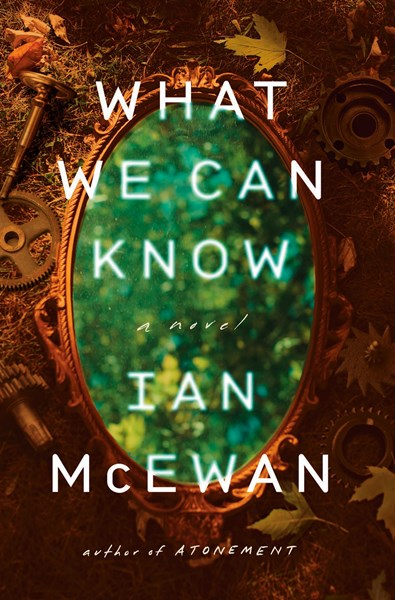
Be happy, be academically successful, do the right thing—in McEwan’s tale of the mystery surrounding a lost poem, you can only have two. The poem, and those surrounding it, have two lives here. The second part of the book takes place in 2014 at the time of the poem’s creation and involves narcissistic poet Francis Blundy; his wife, Vivien; and their circle. The first part of the book is set in 2119, when humanity has been beset by global warming and nuclear wars. The diminished world is fixated on the (perceived) better past, part of that obsession being Blundy’s poem, which has a place in the culture as the pinnacle of romance and dedication. McEwan spins the reader in circles, showing us the same events first from afar and then from different points of view in the same time period. This creates a sense that what we can know is in fact very little, and maybe that’s for the best. As usual in McEwan’s books, especially his ultra-tense On Chesil Beach, the characters move in such agonizing situations that the book must be set aside at times—but the language, especially concerning characters’ self-regard, whips the reader back in (“…it was no longer me at all. What remained was not even a woman but a poetic convention, the shadow of a woman on the cave walls of a man’s imagination”). A must for McEwan fans; and librarians, take note: the creation and maintenance of an archive has a role here.